Pack Fast, Go Far

Today we dive into Travel-Light Routines: Rapid Packing and Unpacking Strategies, focusing on clear, repeatable habits that trim minutes without sacrificing comfort. You will learn how to pre-stage essentials, compress choices, create reliable checklists, and set up quick arrival rituals that turn any room into a temporary base. Along the way, we share personal stories, small failures, and smart fixes that transformed frantic scrambles into calm departures. Bring your stopwatch, curiosity, and questions—then try the methods, report back, and help refine them for everyone.

The One‑Bag Mindset

Speed begins long before zippers close. By limiting yourself to one well‑designed carry, you sharpen decision‑making, reduce friction at security, and keep energy for experiences instead of logistics. This mindset is not about deprivation; it is discipline through clarity. You choose items that earn their place, embrace intentional constraints, and discover relief in owning your journey. With fewer pieces to track, you move confidently, adapt to changing plans, and arrive lighter—mentally and physically—ready for what matters most.

A Repeatable Speed‑Packing Framework

A reliable sequence turns chaos into muscle memory: stage, group, compress, verify. By following the same order every time, you avoid forgotten chargers, stray socks, and exploding toiletries. This framework is like a checklist you can perform half‑asleep. It reduces emotional load, speeds departures, and makes last‑minute invitations possible. Practice on calm days so the rhythm feels automatic under pressure. Over time, your hands will know what to do before your brain worries.
Always lay items on a bright, clean surface—a table, bedspread, or mat—so nothing hides. Arrange by categories: clothing, tech, toiletries, documents, then outliers. Remove redundancies, confirm each cable, and pre‑coil with ties. Zip liquids into a transparent pouch. Photograph the spread once for reference and future audits. This ritual prevents invisible gaps, teaches visual inventory, and speeds repacking after security, hotel changes, or surprise day trips that would otherwise create clutter and delays.
Pack three tops, two bottoms, one insulating layer, plus underwear and socks for two sink‑wash cycles. Choose a neutral palette for cross‑matching and quick decisions. Every piece should serve multiple roles—gym, dinner, transit—so you spend less time changing and more time moving. Fabrics like merino or high‑performance synthetics resist odor, wash easily, and dry overnight. The outcome is fewer choices, consistent comfort, and a zipper that closes without wrestling or worry.
Create a reusable checklist in your notes app, reminders, or a travel planner that duplicates with one tap. Divide by departure scenarios: weekend city break, long haul, business sprint. Add due dates for passport validity, visas, and insurance. Embed packing order instructions, bag zones, and serial numbers for gear. Automation catches blind spots, tracks consumables like adapters or balm, and enables fast team travel when partners need the same simple structure without confusion or debate.

Ultralight Gear That Earns Its Space

Convertible, Layerable Clothing

Choose garments that adapt: a light insulating jacket that doubles as a pillow, pants with hidden stretch, and a dress shirt that refuses wrinkles. Favor quick‑dry fabrics, dark tones that resist stains, and silhouettes that bridge casual and smart settings. One scarf can be warmth, shade, or privacy curtain. With adaptable layers, you answer shifting climates and social contexts swiftly, eliminating the need to pack niche items that slow decisions and waste precious volume.

Modular Pouches and Packing Cubes

Choose garments that adapt: a light insulating jacket that doubles as a pillow, pants with hidden stretch, and a dress shirt that refuses wrinkles. Favor quick‑dry fabrics, dark tones that resist stains, and silhouettes that bridge casual and smart settings. One scarf can be warmth, shade, or privacy curtain. With adaptable layers, you answer shifting climates and social contexts swiftly, eliminating the need to pack niche items that slow decisions and waste precious volume.

Micro Utility Kit Essentials

Choose garments that adapt: a light insulating jacket that doubles as a pillow, pants with hidden stretch, and a dress shirt that refuses wrinkles. Favor quick‑dry fabrics, dark tones that resist stains, and silhouettes that bridge casual and smart settings. One scarf can be warmth, shade, or privacy curtain. With adaptable layers, you answer shifting climates and social contexts swiftly, eliminating the need to pack niche items that slow decisions and waste precious volume.

Rapid Unpacking on Arrival, Instant Repacking on Departure
The Drop‑Zone Blueprint
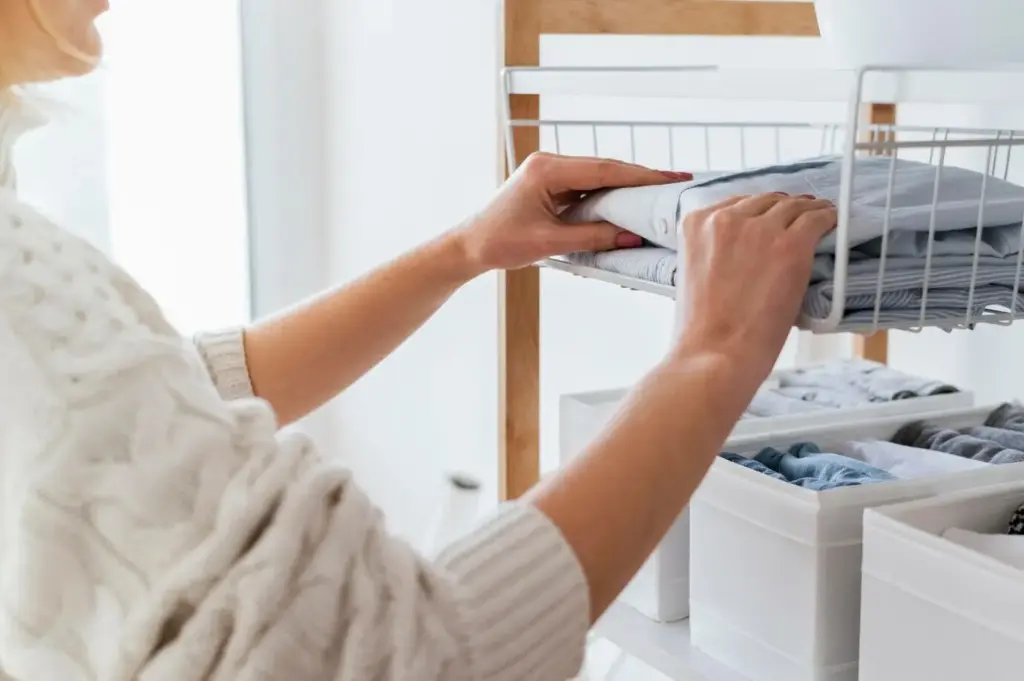
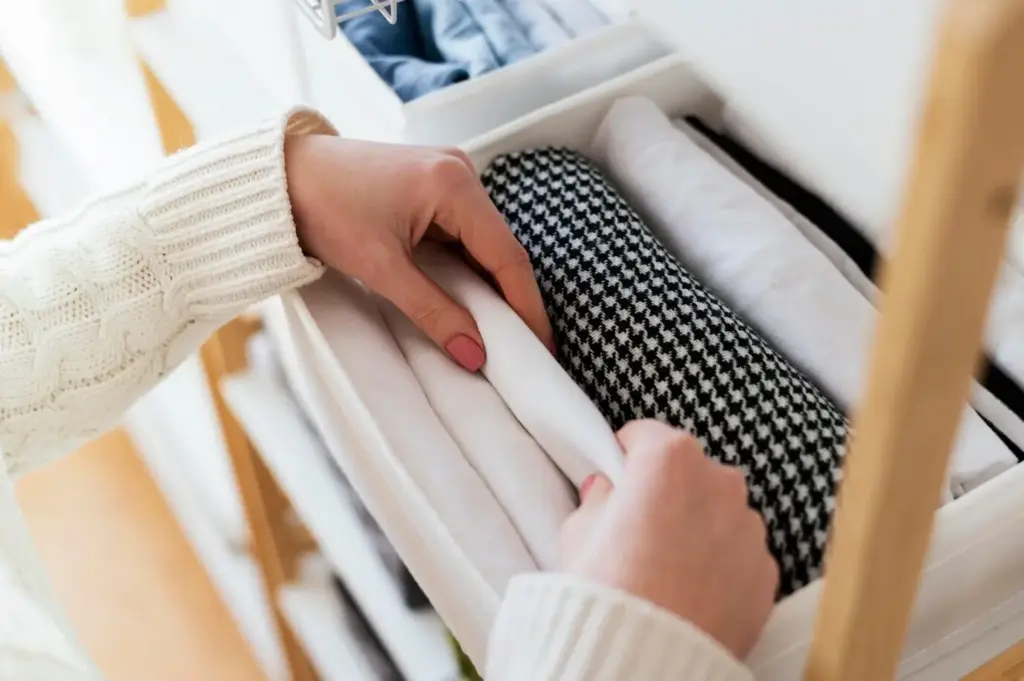
Choose a stable surface near the door for keys, wallet, passport, and phone. Lay a bright cloth or tray so items stand out. Put chargers beside the nearest outlet and begin a single charging hub. Shoes align under the desk, jacket hangs to breathe, and liquids rest upright in sight. This map prevents misplacement, reduces last‑minute panic, and makes midnight departures smoother, because everything vital returns to the same predictable coordinates without negotiation or hesitation.

Sink‑Laundry That Actually Works

Wash light fabrics the first evening to create rolling freshness. Use a travel‑sized detergent sheet, compress water through garments, and squeeze gently in a towel to speed drying. Hang items on a travel line near airflow, avoiding heavy cottons. Rotate underwear and socks nightly, freeing space you would dedicate to extras. This rhythm prevents laundry emergencies, stabilizes wardrobe choices, and keeps you departure‑ready while enjoying the pleasant routine of small, achievable maintenance every single day.

Departure‑Ready Night Preparation

Before sleep, pre‑pack ninety percent. Coil cables, confirm documents, and set clothes for the morning. Place toiletries on top for quick access, refill the water bottle, and screenshot boarding passes and maps offline. Pre‑book transport if needed. With everything staged, you wake to a calm, short sequence: rinse, zip, shoulder, roll. This tiny habit protects your schedule against alarms that fail, elevators that stall, or sudden rain, preserving your buffer and sanity on tight itineraries.

Security Flow Mastery

Place the clear liquids pouch and electronics at the front of your personal item. Unlace nothing by choosing slip‑friendly footwear. Empty pockets early and keep metal to a minimum. Watch trays ahead to anticipate your turn, then reassemble items at a side table, not the belt. Practiced choreography keeps lines moving, avoids forgotten earbuds, and lowers stress for everyone around you, which paradoxically makes agents friendlier and results even faster during peak travel hours and holidays.

Personal Item Optimization

Use a slim under‑seat bag with vertical organization. Top pocket for passport and phone, middle for tech pouch, bottom for snacks and scarf. Keep an empty slot for last‑minute gate‑check transfers. A water bottle anchors a side sleeve; a small book rides up front for offline moments. This structure prevents rummaging, protects essentials from crowd pressure, and lets you stand up, stow, or move seats in seconds without losing anything or disrupting fellow passengers nearby.

Adapting Across Climates and Cultures

Speed thrives when your kit respects local weather and norms. Choose layers that pivot from heat to chill, silhouettes that feel appropriate in sacred spaces, and colors that blend rather than shout. Research etiquette for shoes, shoulders, and headwear. Accept that buying small items in‑country is often cheaper than hauling extras. Adaptation is agility, not burden. It reduces social friction, opens doors to warm conversations, and keeps your rapid routines welcome wherever your path leads next.

Warm‑to‑Cold Transitions Without Bulk

Start with breathable base layers, add a light fleece, and finish with a windproof shell that blocks drizzle. Choose gloves that pack flat and a beanie that tucks into shoes. In heat, convert pants with roll tabs and rely on sun protection layers. Store spare warmth near the top of the bag for quick access at night buses. This strategy avoids carrying a heavy coat while keeping you comfortable across wide swings without slowing decisions or overpacking.

Respectful, Minimal Wardrobe Choices

Bring clothing that stays modest and versatile: longer hemlines, shoulder coverage, and subdued tones that suit city cafes and quiet shrines alike. A light scarf handles sun, wind, and respectful covering in sensitive spaces. Avoid loud branding that photographs poorly or signals touristy flash. Compact elegance harmonizes with varied cultures, lowers attention, and earns smiles. When your wardrobe travels gracefully, your routines remain quick because you never pause to wonder if an outfit might offend.
Your Fastest Pack Challenge

Time yourself from empty surface to zipped bag with nothing missing. Post the result, bag size, and three choices that made it possible. Share your near‑misses, too, because lessons hide there. We will compile highlights, credit contributors, and test your ideas on future trips. Friendly accountability turns practice into a playful sport, motivating everyone to trim steps while keeping real‑world reliability, not just stopwatch vanity metrics that crumble outside tidy rooms.

Template and Checklist Swap

Upload a screenshot or text of your checklist and bag layout. Explain categories, color codes, and any automation tricks. What did you remove after three trips because it never earned its spot? Which reminder saved you twice? Others will adapt, remix, and improve, then return the favor. Together we cultivate living templates that travel between continents and lifestyles, accelerating mastery for first‑timers while still surprising seasoned one‑bag travelers with fresh, thoughtful refinements.

Subscribe for Field‑Tested Experiments

Join our updates to receive short, data‑backed trials: two shirts versus three, cubes versus folders, compact umbrellas versus shells. We publish pack times, weights, and comfort notes after real city sprints and multi‑climate loops. Reply with your variables, and we will include them in upcoming tests. Subscribers help steer what we measure next, ensuring every insight remains practical, transparent, and immediately useful for anyone chasing calmer mornings and confident, ultrafast departures.

Pefuporikoli
Privacy Overview

This website uses cookies so that we can provide you with the best user experience possible. Cookie information is stored in your browser and performs functions such as recognising you when you return to our website and helping our team to understand which sections of the website you find most interesting and useful.